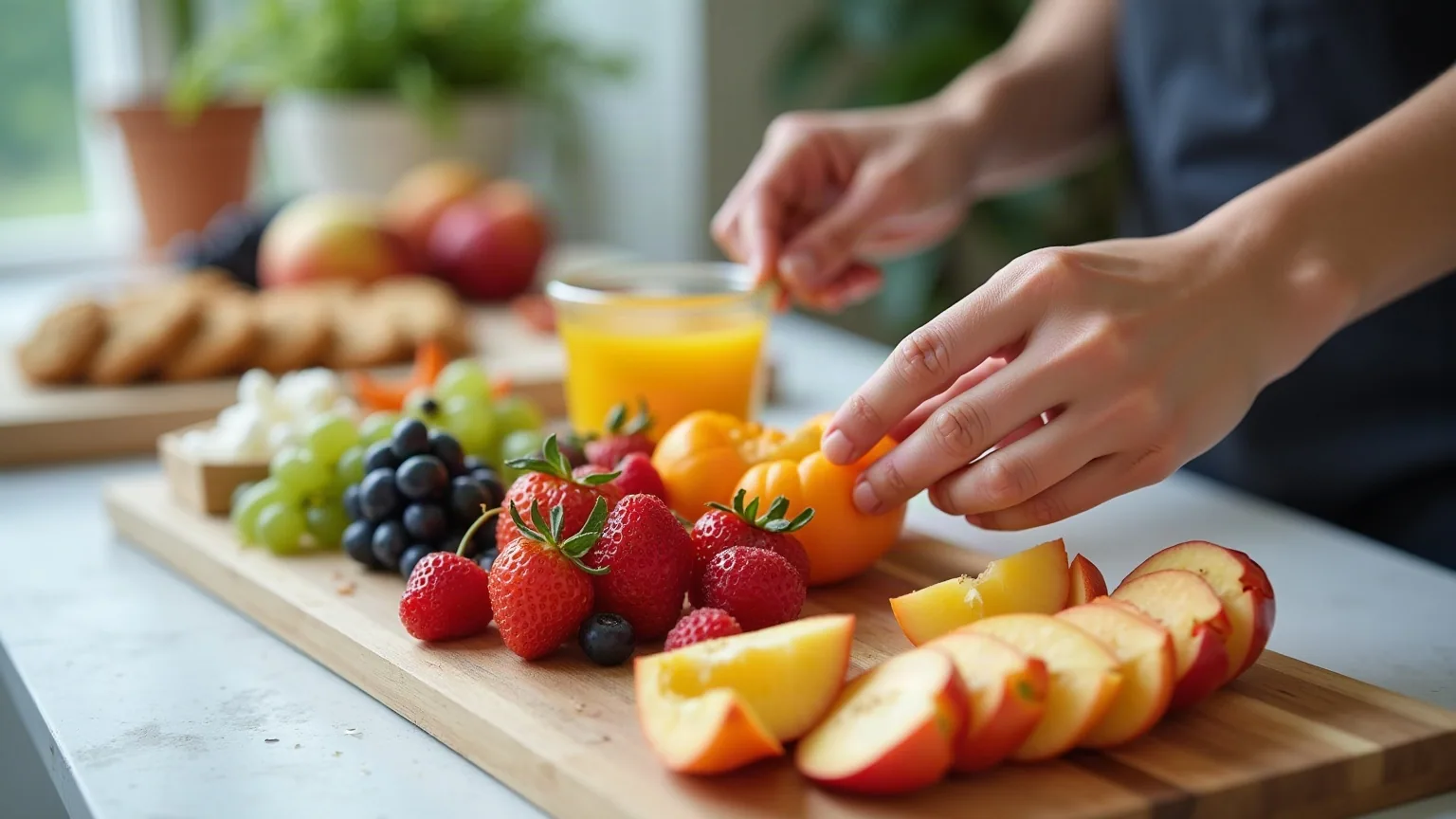
The simplest solution is often to make most of the party naturally gluten-free, verify packaged ingredients and protect everything from cross-contact with gluten-containing items. Below are three practical menus, worked-out buying quantities and a realistic preparation-and-service plan. This isn't a guarantee that any unverified recipe or brand is safe: always check labels and ask guests about their needs directly.
First: gluten-free isn't the same as "no bread"
Coeliac disease is an autoimmune condition triggered by gluten in wheat, barley and rye; other conditions and wheat allergies need different controls. Commonly overlooked culprits include ordinary soy sauce, flour-thickened sauces, breaded meat, malt flavouring, shared fryers and some processed seasonings. A plain potato or piece of fresh fruit is naturally gluten-free, but any prepared dish is only as safe as its ingredients and handling.
In the UK, Coeliac UK explains the 20 parts-per-million threshold for foods legally labelled gluten-free; the US FDA regulates gluten-free labelling under a similar less-than-20-ppm standard. These are product-labelling rules, not permission to use a contaminated spoon or guess that a homemade dish is safe. See the Coeliac UK labelling guidance and the FDA's explanation.
Ask the guest: "I'm planning food that avoids gluten-containing ingredients and taking precautions against cross-contact. Do you have coeliac disease, another allergy, or any particular brands and preparation rules you'd like me to follow?" If you cannot confidently meet their needs, say so well before the event and arrange an alternative they trust. Never label a dish "coeliac-safe" without confirming every stage of its preparation.
Choose one menu format and keep it manageable
| Format | Example guests | Best use | Biggest operational risk |
|---|---|---|---|
| Snack and finger-food table | 12 | Afternoon party, not a full meal | Mixing utensils with regular crackers |
| Build-your-own rice bowls | 20 | Substantial buffet meal | Marinades, seasoning and topping cross-contact |
| Baked potato bar | 16 | Simple evening food | Toppings that contain flour or contaminated condiments |
These are planning examples rather than rigid portions. Appetites naturally depend on the timing, guest ages and how many dishes you put out. Our wider party food quantity guide covers overall catering maths; this guide focuses on gluten-free choices and safe execution.
Menu 1: Easy gluten-free finger food for 12
For a 90-minute afternoon gathering between meals, start with four well-chosen foods rather than 15 fiddly options. This spread works well as a substantial snack, but it isn't meant to replace lunch or dinner.
| Dish | Example buying quantity | Serving intention |
|---|---|---|
| Small egg-and-potato frittata squares | 24 squares | 2 per guest |
| Cherry-tomato and mozzarella picks | 24 picks | 2 per guest |
| Vegetable sticks | About 1.2 kg prepared | Around 100 g per guest |
| Hummus or suitable dip | About 600 g | Around 50 g per guest |
| Certified gluten-free crisps or crackers | About 480 g | Around 40 g per guest |
| Fruit platter | About 1.2 kg prepared | Around 100 g per guest |
Counted pieces: 24 frittata squares + 24 mozzarella picks = 48 individual savoury bites, giving four pieces per person before vegetables, dip and crackers. If this needs to substitute for a meal, scale up the savoury portions and add another protein-rich dish rather than expecting snack quantities to fill people up.
Check before you cook: some frittata recipes call for flour, so check every ingredient. Inspect seasoning mixes, flavoured hummus and cracker labels carefully. If you use skewers or picks, choose food-safe lengths and remove them for young children. If a guest also has an egg or dairy allergy, adjust the spread accordingly—gluten-free does not automatically mean allergen-free.
Efficient preparation
Day before: prep and chop the vegetables; bake the frittata, cool it safely and chill it promptly; double-check the packaging on dips and crackers. Party day: assemble mozzarella picks using clean utensils; set out only the first small platter of chilled food, and keep the rest refrigerated until needed.
Never place an ordinary bread or cracker basket right beside safe dips with shared knives. Position the gluten-free spread first in the serving flow, or set it up in a clearly marked dedicated area with its own serving spoons.
Menu 2: Rice bowl buffet for 20 adults
This is a full meal built around protein, rice, vegetables and beans. Instead of plating twenty individual bowls, set out clearly labelled ingredients so guests can build their own. Anyone with coeliac disease should plate their food first from untouched trays before shared tongs and spoons start crossing over.
| Component | Example amount for 20 | Why |
|---|---|---|
| Dry rice | 1.4 kg | 70 g dry per person; yields more when cooked |
| Boneless chicken (raw) or equivalent verified protein | 3 kg | 150 g raw per person, before cooking loss |
| Cooked/drained beans | 1.8 kg | Around 90 g per person, in addition to protein |
| Mixed vegetables for roasting | 3 kg | Around 150 g raw per person |
| Salsa | 1 kg | Around 50 g each |
| Fresh garnish, herbs, lime | Modest combined allowance | Offer separately and replenish |
| Gluten-free sauces | Check individual labels | Allow choice without unsafe substitutions |
Checked arithmetic: 20 × 70 g dry rice = 1,400 g; 20 × 150 g raw boneless chicken = 3,000 g; 20 × 90 g drained beans = 1,800 g; 20 × 150 g raw vegetables = 3,000 g. These are working buying quantities. If you are catering for lots of young children, planning a lighter lunch, or serving beans as the main vegetarian protein, adjust the weights instead of buying full double portions by default.
For vegetarian guests, provide enough beans or an alternative protein to make up a proper meal rather than a token spoonful. Label each topping clearly, noting common allergens like dairy, egg, sesame or soy—a gluten-free label tells guests nothing about other dietary restrictions.
Set up a safe assembly line
- Buy verified ingredients. Check the exact marinades, stock, sauces and spice blends. Do not assume a familiar brand's latest formula is unchanged.
- Clean surfaces and utensils thoroughly. Coeliac UK's home cross-contact guidance recommends washing utensils and surfaces and preventing crumbs or shared spreads from contaminating gluten-free foods.
- Cook in clean equipment. Don't use cooking water, oil, grills or pans containing remnants of gluten-containing foods. Check the oven trays and tongs.
- Create separate serving tools. One set for rice, one for protein, one for beans and one per topping. Don't let a guest dip a flour-tortilla wrapper into the shared sauce.
- Offer protected portions. If a guest requires strict cross-contact control, prepare and cover their serving first with clean tools before the common buffet begins.
- Serve hot and cold food at suitable temperatures. A covered, correctly heated serving dish is not the same as leaving a warm pot on the side. Use a food thermometer and follow local food-safety guidance.
Important rice handling: cooked rice must be cooled quickly and refrigerated promptly if you are not serving it straight away. Never cook rice days in advance or leave it sitting out at room temperature. Time it as close to serving as possible, or follow established food-safety guidelines for rapid cooling, storage and reheating.
Menu 3: Baked potato bar for 16
Baked potatoes make an inexpensive, naturally gluten-free base that sidesteps pricey speciality breads altogether. The real cross-contamination risks sit with the toppings and shared serving utensils.
Illustrative shopping list: 16 large baking potatoes plus two spare (18 in total); 1.6 kg cooked, verified protein or beans (100 g per guest); 1.6 kg cooked vegetables; 800 g grated cheese if suitable; 800 g salad garnish; roughly 600 g of suitable dip or dressing. If your crowd has hearty appetites, scale up the fillings slightly; treat these figures as a sensible baseline rather than an exact prescription.
Good topping choices include roasted vegetables, grated cheese, seasoned beans or chilli—but verify the chilli sauce and seasoning. Never thicken chilli or gravy with wheat flour. If you offer a vegetarian option, keep it in its own dish with a dedicated serving spoon.
Suggested service: keep potatoes piping hot, hot fillings at safe holding temperatures, and cold toppings chilled until serving. Set each item out in its own bowl. Ask one reliable helper to keep an eye on labels and ensure guests don't swap spoons between dishes.
A jacket potato bar appeals equally to guests without dietary restrictions, saving you from cooking a second meal from scratch. Just remember that if anyone has other allergies alongside coeliac disease, those ingredients still need checking separately.
The gluten-free party shopping check
The danger isn't just the obvious bread and pasta. Check ingredient panels and allergen warnings carefully on:
- Stocks, bouillon, gravies, bottled marinades and barbecue sauces.
- Soy sauce, salad dressings and jarred dips.
- Seasoned potato wedges, coated meat or fish, and pre-made vegetable patties.
- Crisps, crackers, sweets and dessert toppings.
- Oats and oat products: only use oats specifically labelled gluten-free, and confirm the guest tolerates oats. Coeliac UK explains why.
- Frying oil or shared fryers that also cook battered wheat products.
- Unwrapped bakery items that may be exposed to flour or crumbs.
Do not use "made with no gluten ingredients" as if it proved the dish was safe from cross-contact. If you are ever unsure about a packaged item, contact the manufacturer or pick an alternative. Hang on to the original packaging so guests can read labels for themselves.
Avoid buffet cross-contact after you've prepared everything
Set up a clean serving station with clearly labelled, dedicated utensils and separate covered refills. Keep ordinary bread far enough away from gluten-free platters that crumbs cannot drift across. Never let guests dip into safe bowls using contaminated knives or spoons. Have vulnerable guests plate their food first, and keep back-up portions safely covered in the kitchen.
A separate serving table counts for little if the food was prepared with contaminated chopping boards or utensils. That distinction is highlighted in both the NHS coeliac-disease treatment guidance and the Celiac Disease Foundation's social-eating advice.
Keep chilled food chilled
In the US, the FDA's buffet guidance recommends holding cold food at 40°F / about 4°C or below, keeping hot food at 140°F / about 60°C or above, and discarding perishables left at room temperature for over two hours (or one hour if ambient temperatures top 90°F / about 32°C). Food standards vary slightly elsewhere, but the core principle stands. The safest practical plan is to put out small trays and replenish from the fridge, rather than leaving dairy, egg and meat dishes sitting out in a warm room.
Frequently asked questions
Can I serve gluten-free food to everyone?
Yes, provided you have checked all packaged ingredients and guarded against cross-contact. Designing a naturally gluten-free menu makes shopping and catering far simpler for everyone. Just keep in mind that gluten-free does not automatically mean dairy-free, nut-free or allergy-safe across the board.
Are oats safe in a gluten-free dessert?
Only ever use certified gluten-free oats, and check with the guest first: a small proportion of people with coeliac disease react to avenin, a protein in oats. Standard commercial oats are frequently cross-contaminated during milling and harvesting.
Is gluten-free bread necessary for a party?
Not if your menu works well without it. Potatoes, rice, vegetables, eggs, fruit and safe meats provide plenty of variety. Speciality breads can be handy, but they add extra cost, crumb hazards and packaging checks.
How do I make the buffet safe for someone with coeliac disease?
Talk to them in advance, verify every ingredient label, thoroughly wash boards and utensils, and plate a safe portion for them before other guests dig in. If you cannot realistically guarantee a sterile kitchen or cross-contact controls, be honest early on and arrange a trusted shop-bought or takeaway alternative.
Sources and further reading
- Coeliac UK: How to avoid cross-contamination at home
- NHS: Coeliac disease treatment and foods
- FDA: Meaning of gluten-free food labels
- FDA: Safe buffet holding and serving
- Party food calculator for guest-count revisions
- Vegetarian party food menus for non-meat options, with ingredient checks still required